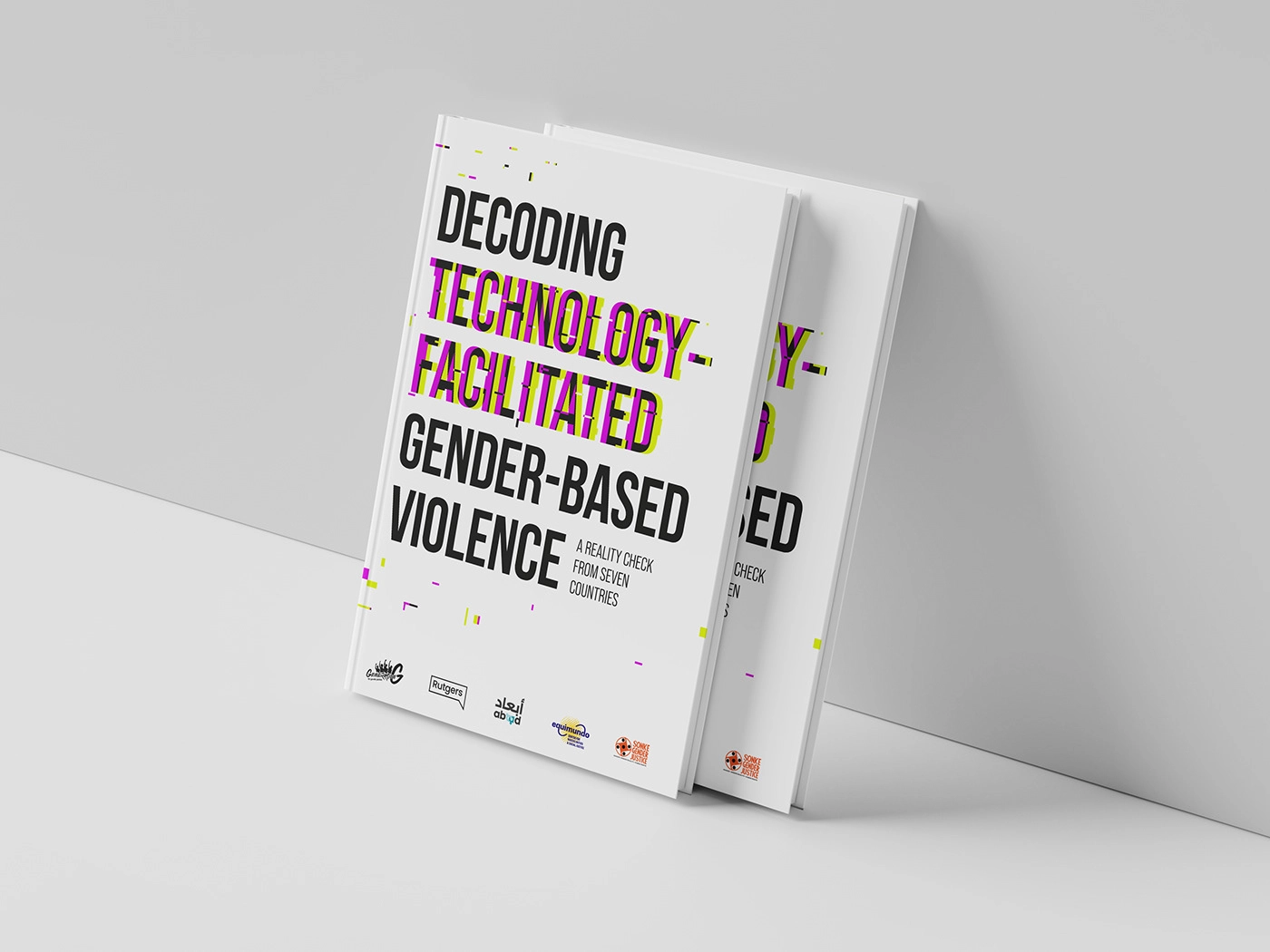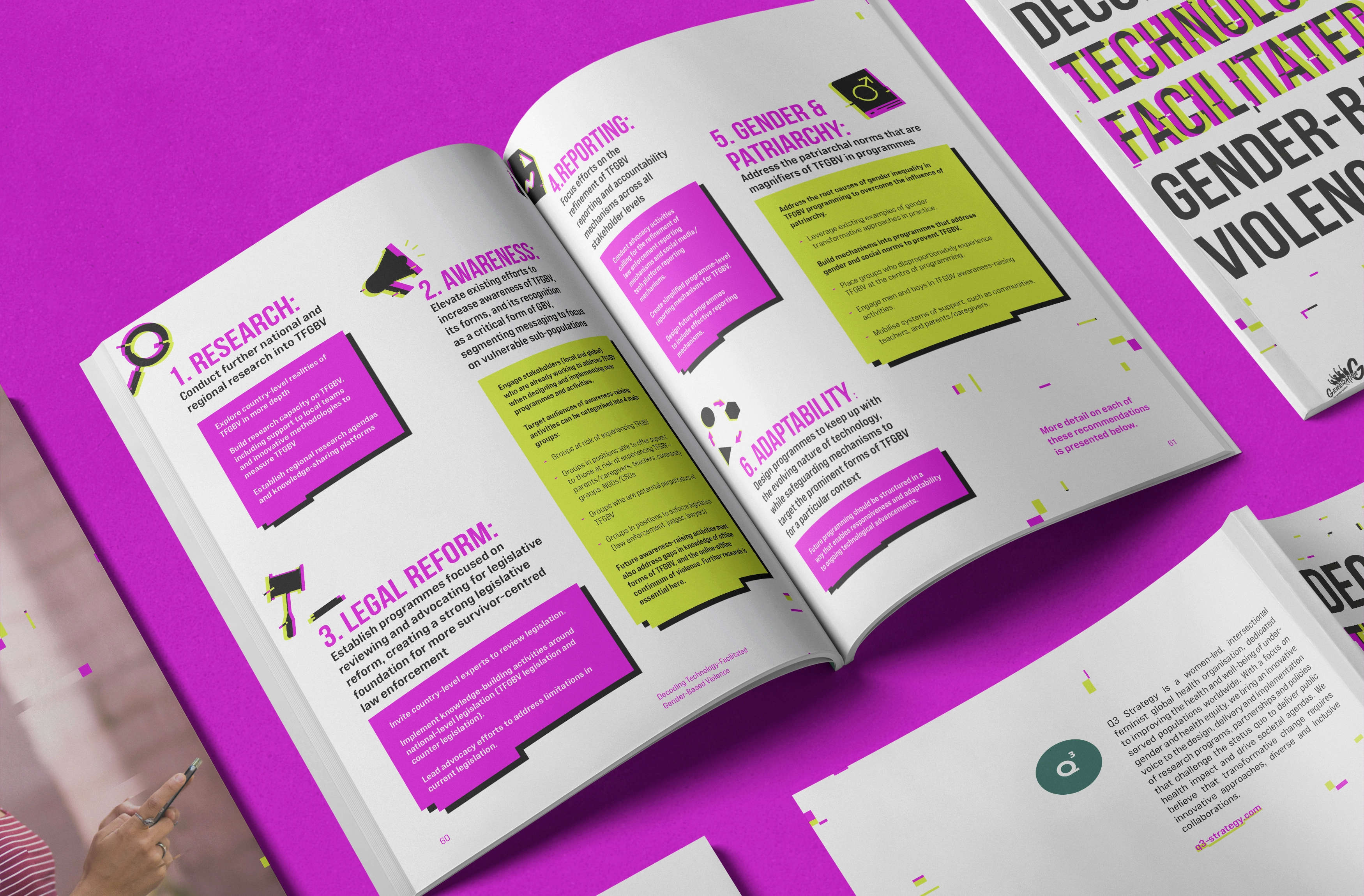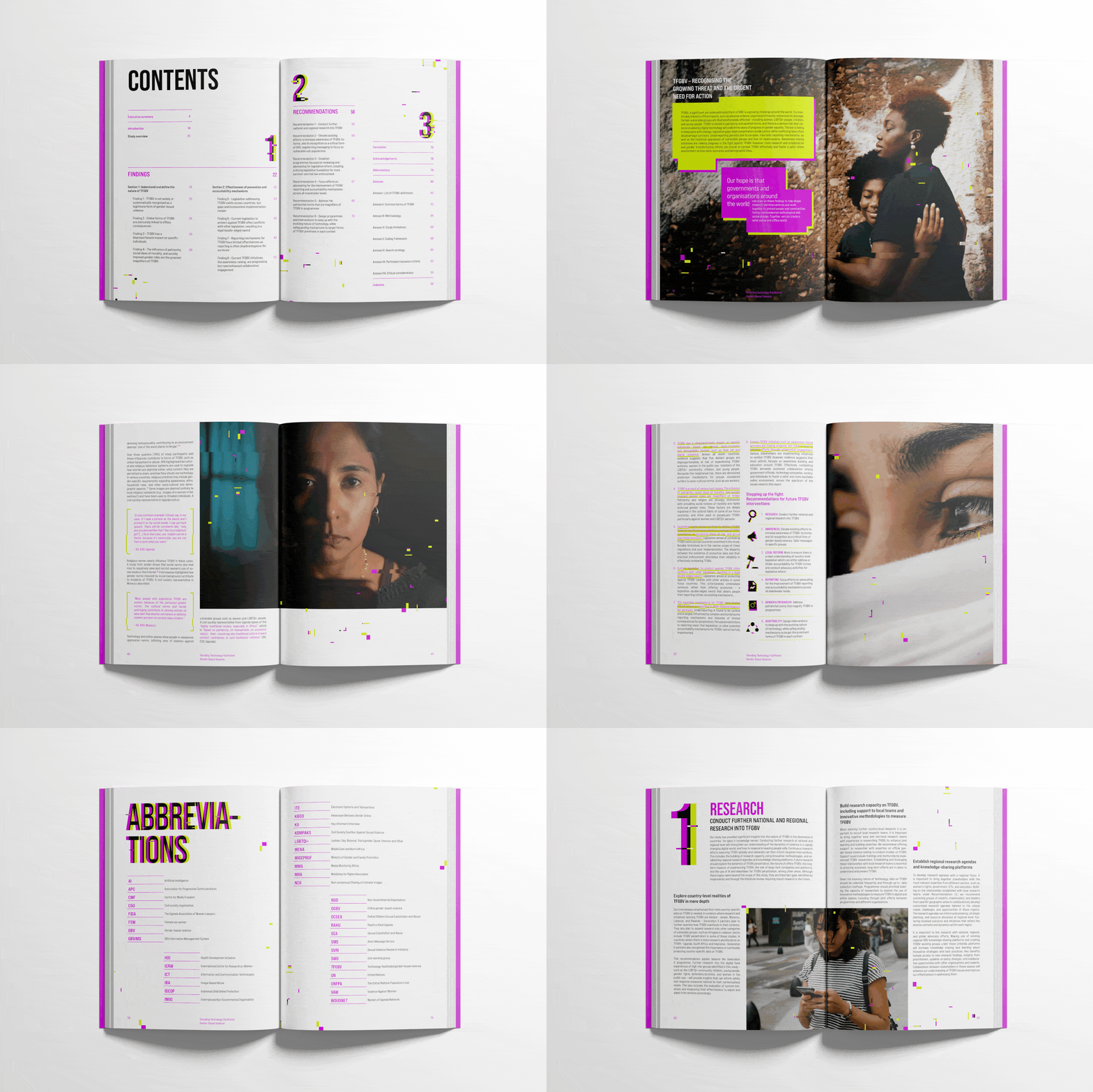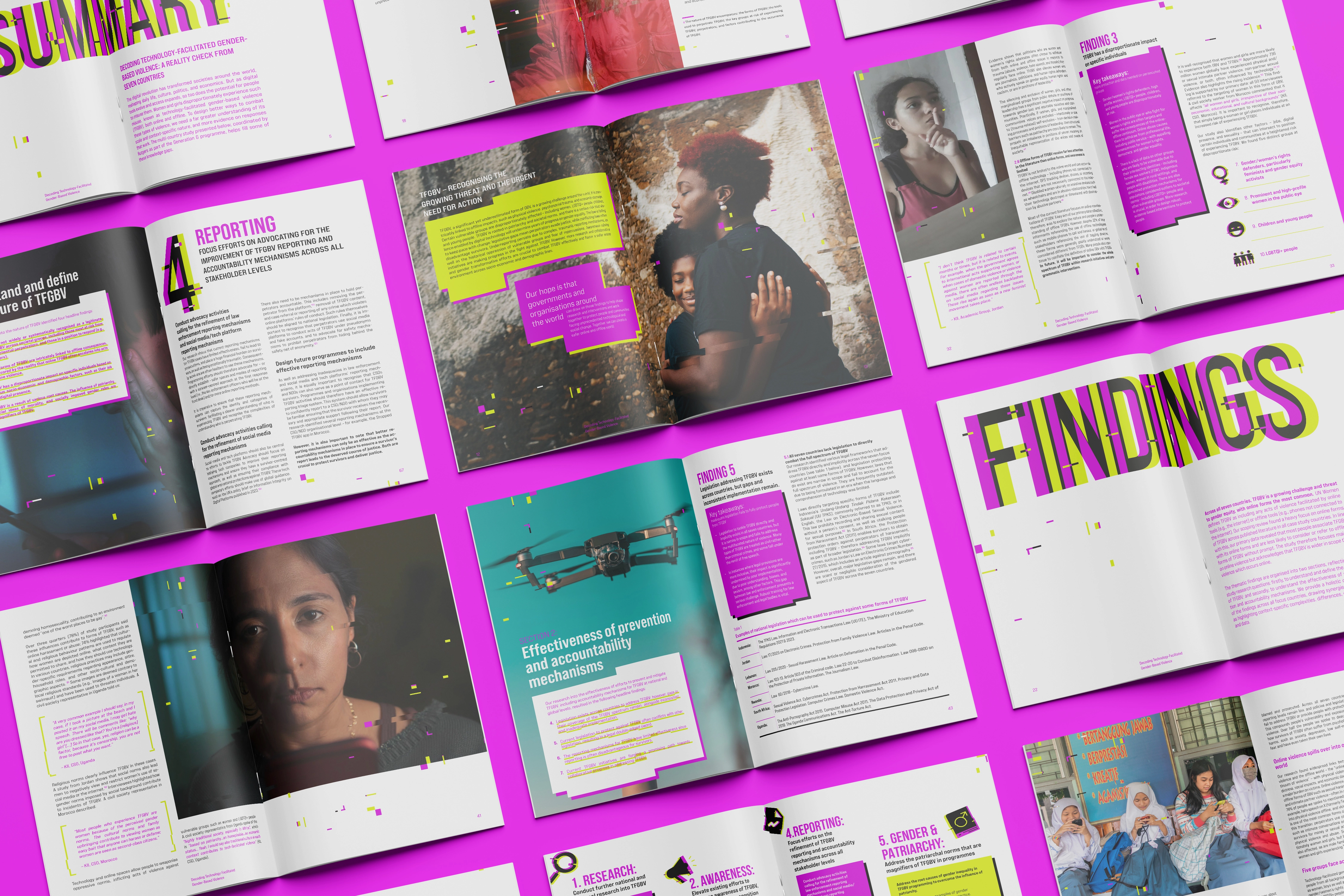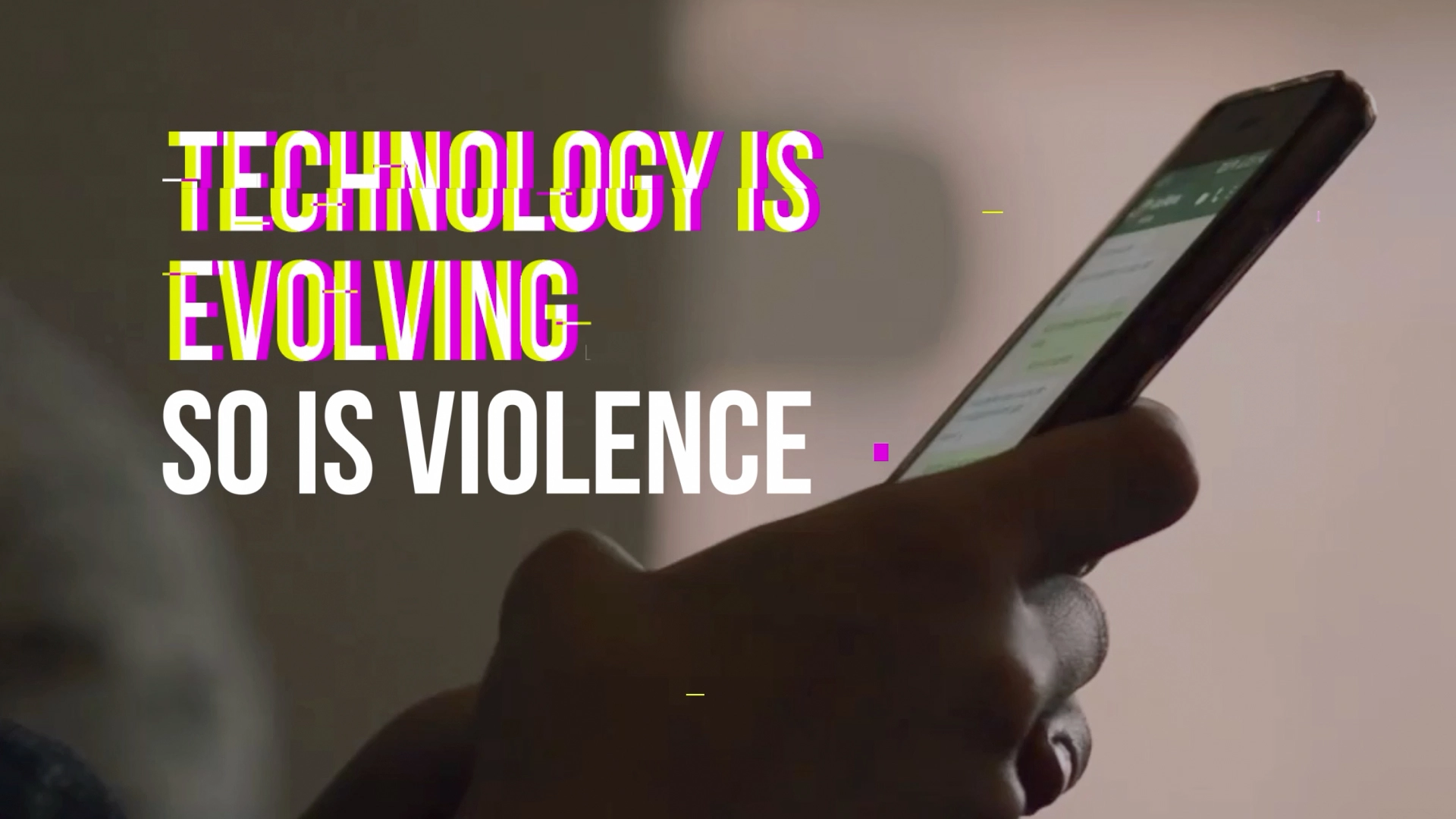
We partnered with Rutgers International to develop a global campaign on digital gender-based violence that launched a landmark multi-country study on technology facilitated gender-based violence. Through a bold visual identity, editorial design and digital storytelling, we transformed complex research into compelling advocacy tools for global audiences.
Advancing the evidence on digital gender-based violence
Digital gender-based violence, also referred to as technology facilitated gender-based violence, is one of the fastest growing forms of violence against women and girls, yet it remains poorly understood and underreported. Rutgers International led research across seven countries to strengthen the evidence base and support more effective responses.
The campaign needed to communicate the urgency of the issue while making the findings accessible to policymakers, civil society organisations, advocates and development practitioners.
A unified identity across every touchpoint
We developed a cohesive campaign identity that brought together messaging, editorial design and digital storytelling. The visual system balanced the seriousness of the subject with clear, accessible communications, creating a recognisable identity across every campaign asset.
Our work included the design of the flagship report and executive summary, social media assets, campaign graphics and a motion graphic video that translated key findings into an engaging visual narrative.
Making complex evidence accessible
The report presents findings from research conducted in Indonesia, Jordan, Lebanon, Morocco, Rwanda, South Africa and Uganda, highlighting how online violence is deeply connected to offline harm and shaped by local social and legal contexts. We designed the publication to support both detailed reading and quick understanding, using a clear editorial hierarchy, infographics and visual storytelling to make complex evidence easier to navigate.
Supporting advocacy beyond the report launch
By creating a consistent visual language across print, digital and social channels, we helped Rutgers International continue the conversation on digital gender-based violence long after the report launch. The final suite of assets equipped the organisation and its partners with practical communications tools that supported advocacy, encouraged dialogue and helped position digital gender-based violence as an urgent global human rights issue.
***