Effective gender norms campaigns do more than raise awareness. They create opportunities for communities to question harmful stereotypes and build safer environments for children. With this objective in mind, we partnered with ECPAT International to develop a series of visual communication resources that translated research into accessible conversations about masculinity, identity and the harmful social norms affecting boys in West Africa.
The challenge was not simply to share research findings, but to make them meaningful in everyday life. Changing harmful social norms requires people to recognise how deeply held beliefs and expectations influence behaviour, relationships and children’s wellbeing. Communication therefore needed to create space for reflection and dialogue, rather than simply deliver information.
ECPAT International sought to challenge the harmful gender norms and traditional expectations that shape boys’ lives in West Africa. Building on research and community consultations across Burkina Faso, Côte d’Ivoire, Guinea and Niger, the project explored how ideas about masculinity, identity and gender roles can influence behaviours, relationships and, ultimately, children’s safety and wellbeing. The challenge was to translate these insights into practical communication tools that families, educators and community facilitators could easily understand, discuss and apply in their everyday lives.
A gender norms communication approach rooted in research
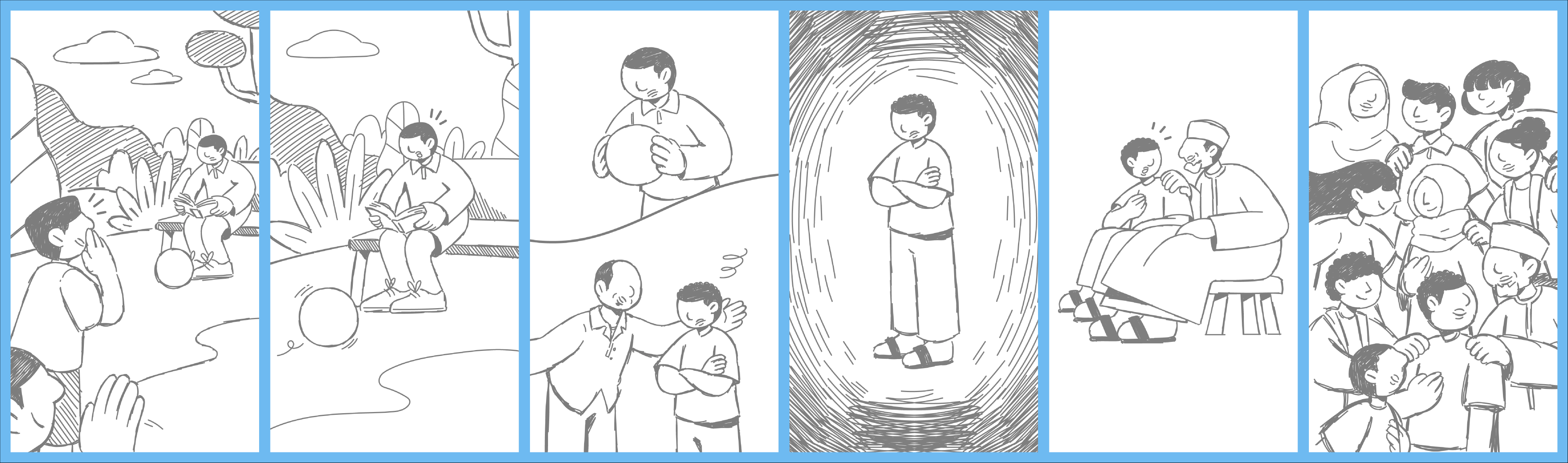
Working closely with ECPAT International, we developed the communication approach for a gender norms campaign that used familiar situations and relatable visual stories to help audiences question long-held assumptions about boys, gender and identity. The materials invited discussion, creating space for communities to explore healthier expressions of masculinity and recognise behaviours that can place children at risk.
This approach made complex concepts more accessible while remaining sensitive to the cultural contexts in which the materials would be used.
Turning research into practical resources
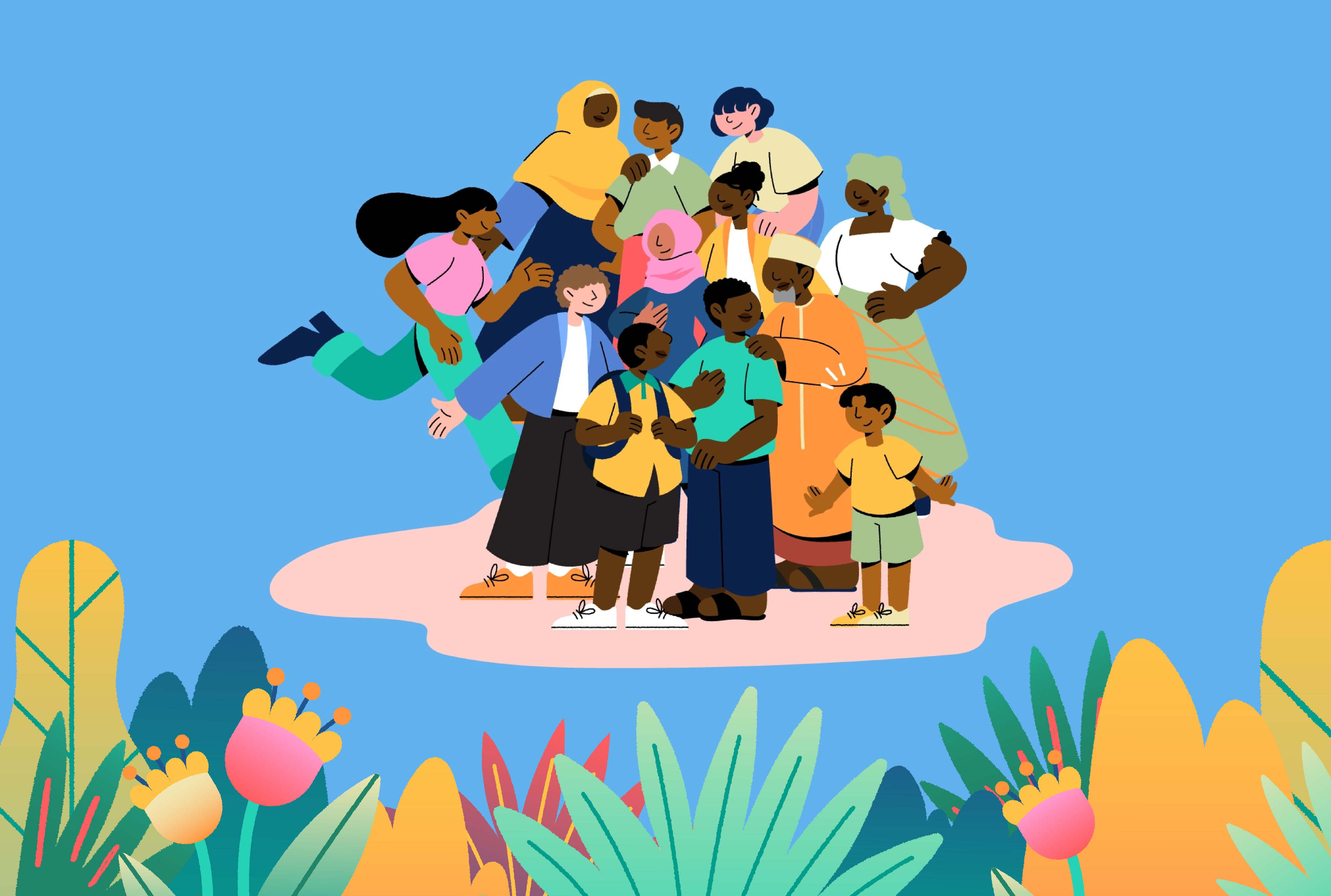
To bring the campaign to life, we developed a suite of visual communication materials centred on four short animated videos, complemented by an illustrated glossary of key concepts and a practical community guide. Together, these resources transformed research into engaging tools that could support community discussions, workshops and digital outreach. The animations relied on visual storytelling rather than on-screen text, allowing them to be adapted into multiple languages and used across diverse audiences.
The result was a flexible communication toolkit that helped facilitators encourage dialogue about gender norms, positive role models and collective responsibility for protecting children.
***