The Bay of Bengal supports the food security and livelihoods of hundreds of millions of people, while facing increasing pressure from climate change, overfishing, pollution and habitat loss. Marine conservation communications need to make these interconnected challenges clear and show how regional action can help protect both ecosystems and the communities that depend on them.
The International Union for Conservation of Nature (IUCN) works with partners across the region through the Bay of Bengal Large Marine Ecosystems (BOBLME) Phase II project. Running from 2023 to 2028, the project brings together organisations to improve sustainable fisheries, protected area management, species conservation and the environmental health of the Bay of Bengal.
A shared approach to marine conservation communications
BOBLME II works across seven countries: Bangladesh, India, Indonesia, Malaysia, Maldives, Sri Lanka and Thailand. It also brings together several regional organisations, including IUCN, the Food and Agriculture Organization of the United Nations (FAO), the Southeast Asian Fisheries Development Center (SEAFDEC) and the Bay of Bengal Programme Inter-Governmental Organisation (BOBPIGO).
This scale creates a communication challenge of its own. Different organisations need to communicate about their work while presenting BOBLME II as a coordinated regional effort. The project needed a practical communication system that partners could use consistently across different channels, while giving appropriate visibility to every organisation involved.
Making a complex regional programme easier to communicate
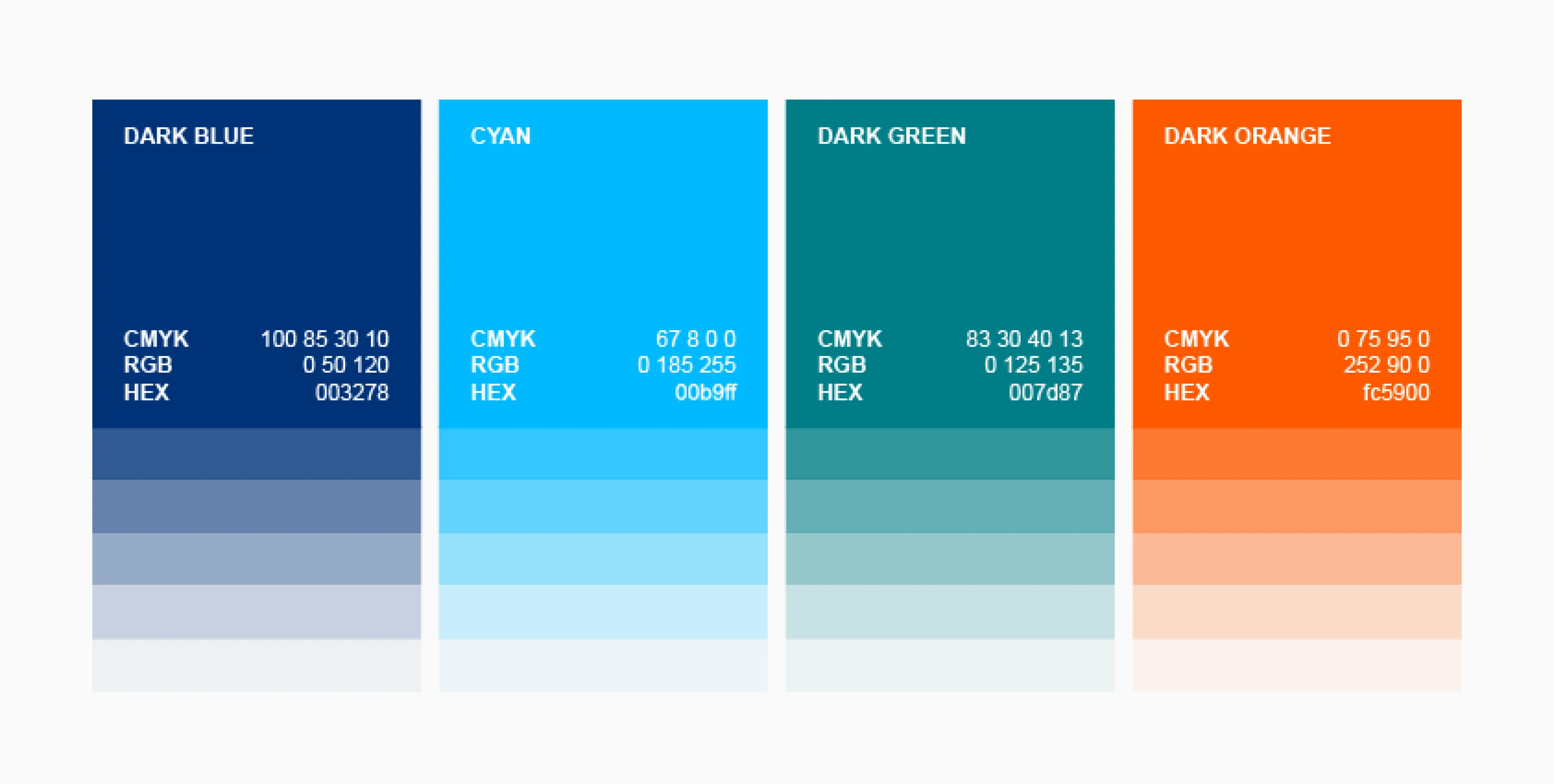
Based on a logo provided by partners, we developed the BOBLME II project identity and guidelines for its use, building on the IUCN brand framework. The system established a consistent visual language while ensuring that all project partners were represented equally.
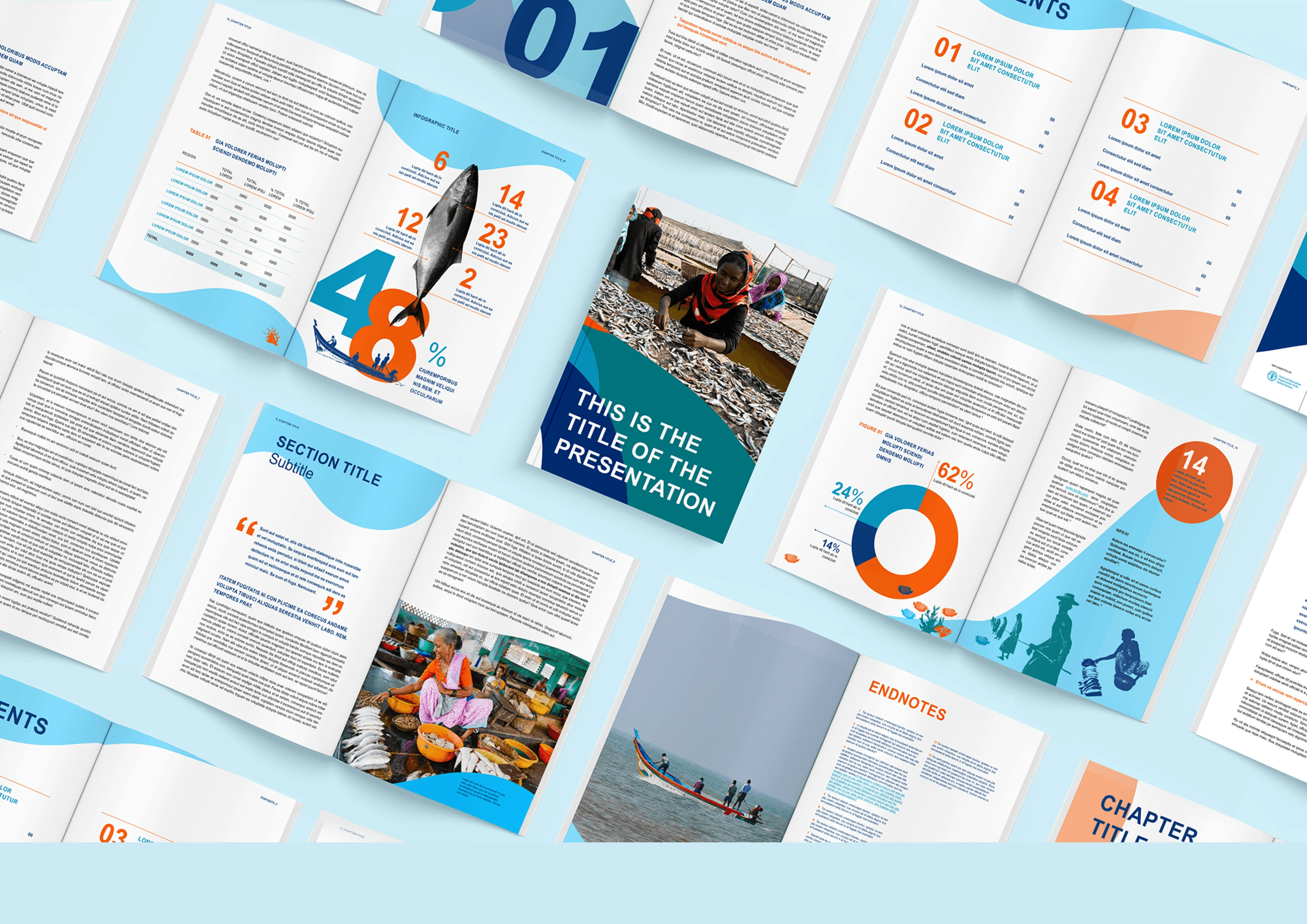
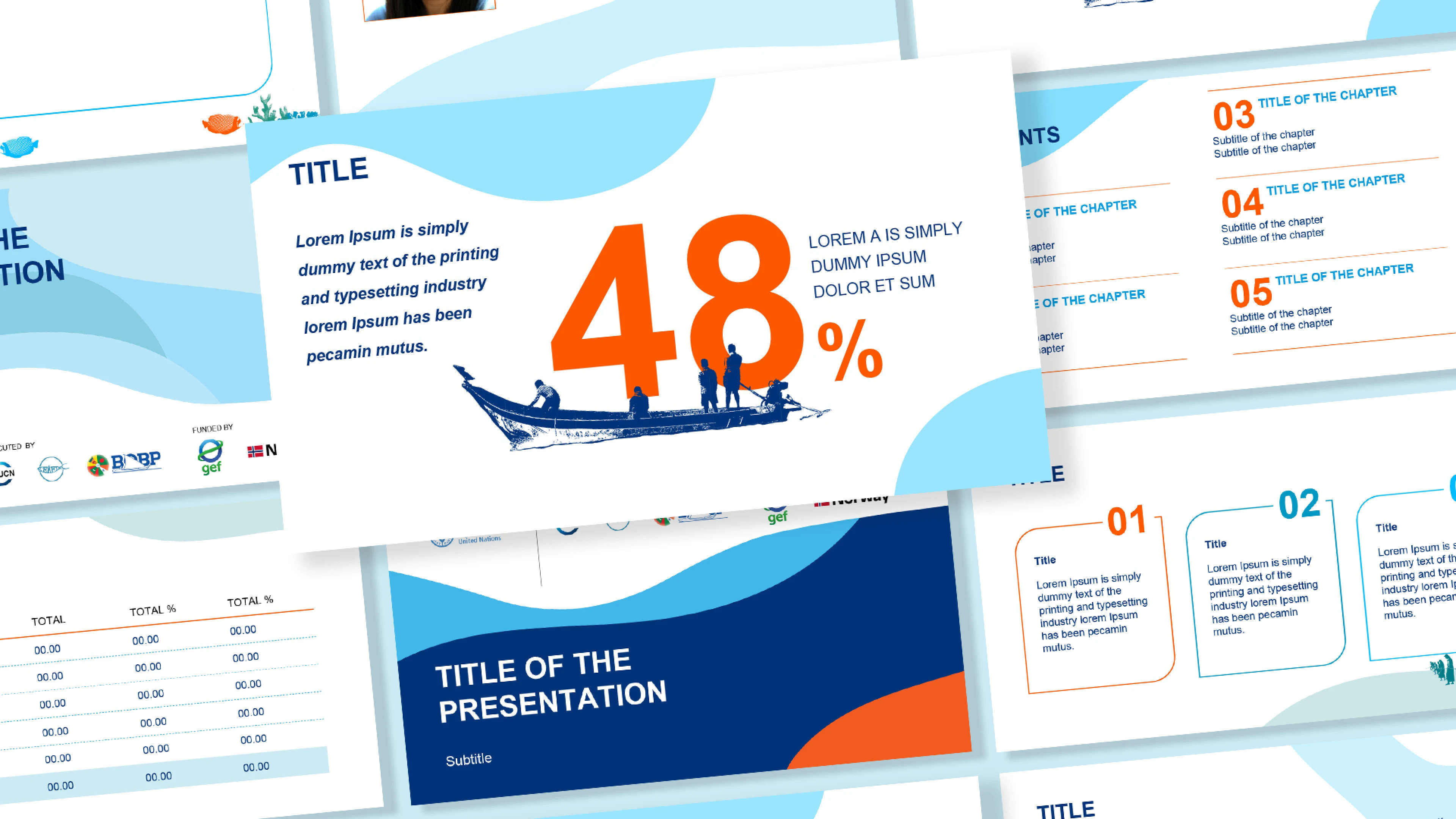
We then translated the identity into tools for everyday communication. PowerPoint, social media and publication templates gave partners a practical way to communicate the project consistently across formats and countries.
The work also included an introductory video designed to explain the challenges facing the Bay of Bengal and the role of BOBLME II in addressing them. Rather than focusing only on the project itself, the video connects the wider environmental pressures with the need for coordinated action across the region.
Giving regional action a clearer story
For a programme involving multiple countries and organisations, consistency helps audiences connect individual activities to a wider effort. It also gives partners a common foundation for communicating the project’s purpose and progress.
The resulting identity and communication tools provide BOBLME II with a shared language across its partners and channels. The introductory video adds another way to explain the programme’s purpose to audiences who may not be familiar with the complexity of marine ecosystem management.
Together, these tools support clearer marine conservation communications around a programme that depends on collaboration. They help make a complex regional effort easier to recognise, understand and communicate.
***